Know before you go
Maps & Safety
Complex terrain, real consequences. Everything here is a supplement to your own training and judgement, never a replacement for it.
The Non-Negotiables
Four things. If you are missing any of them, you are not ready to leave the parking lot.
Transceiver
Worn on your body, turned on, batteries checked
Probe
In your pack, not on your sled
Shovel
Metal blade. Plastic breaks in avalanche debris
A partner
Never ride alone. Tell someone your plan and return time.
The riding area
Area Maps
Always ride within your limits. These maps show the general locations of first aid caches and known avalanche paths. This area has complex terrain and requires users to know how to read terrain and snow. This map is not a substitute for knowledge and experience of snow behaviour and local terrain. Decisions to travel on snow should be based on observed conditions at the time of travel.
Pinch or scroll inside the map to explore. Open in Google Maps
Check every time
Forecasts
Safety
Radios &
Channel 16
PMSC monitors FRS/GMRS Channel 16 at the booth. The more riders monitoring it, the better the odds someone hears a call for help.
Important: This is not the marine Channel 16. A marine VHF radio will not work.
- Channel
- Channel 16
- Frequency
- 462.575 MHz
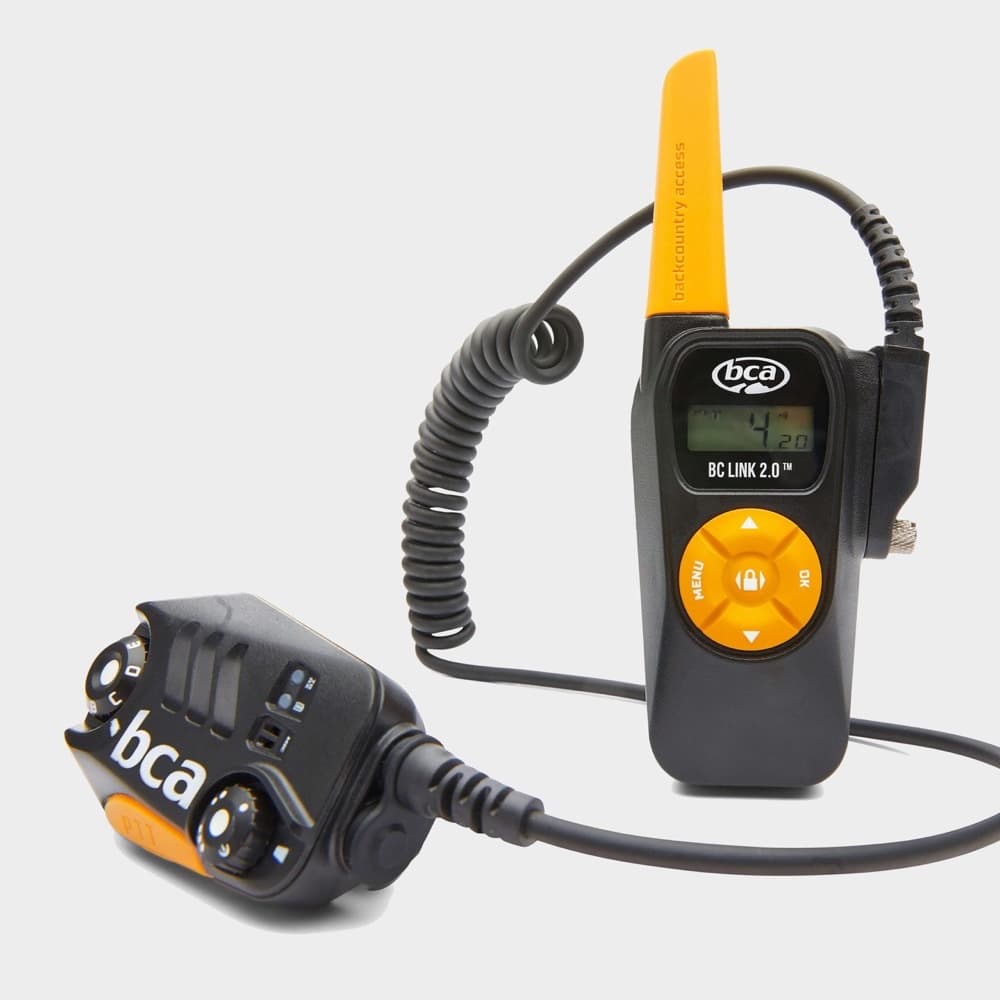
- The Black Tusk Snowmobile Club in Squamish started monitoring Channel 16 for walkie-talkies, and PMSC now monitors it at the booth too.
- These are line-of-sight radios. They work well, but if you need help you will often be too far from the booth to reach it directly.
- The main objective is not to reach the booth. It is to have other riders listening for distress calls and relaying them.
- On Powder Mountain you can often hear people on Whistler and Blackcomb, and sometimes Brohm Ridge.
Setting up your radio
BCA radio
Set your radio up for your local group, and set the 'E' (Emergency) setting to Channel 16 with no privacy code. A quick switch of the dial sends a distress call, but you cannot monitor Ch 16 at the same time.
Baofeng or similar VHF
You can often monitor two channels at once. Set the first to your group channel and the secondary to Channel 16 (462.575 MHz). Baofeng radios are inexpensive and programmable.
Motorola, Kenwood and others
Other brands work very similarly. Radios are available from our sponsors.
Share the trail
Trail Etiquette
We share the trail with others. Some are not as comfortable on a sled as you may be, and some have never ridden before. Please be considerate.
Slow down when passing others
Stay on the right side of the trail coming into a turn
Give trail groomers the right of way. Never pass unless the operator waves you on. The groomer wins every time.
Travel at a safe speed, whoops or no whoops
Keep a steady speed to help maintain the trail. Pinning the throttle makes whoops come faster, especially when it's warm
When starting up, try not to pin it. The ice shower behind you hurts
Slow down when passing a parked snowmobile
If you stop, pull as far off the trail to the right as possible
Don't stop near curves
Don't stop near the beacon checker. You mess it up for the next person
Radios and gear from
See all


Training
Avalanche Skills Training
Want to learn more about backcountry safety? Register for an AST 1+ or AST 2 course with the club this season.
Supported by
Our Sponsors